
Promotions can make an online casino look more attractive, but the most useful starting point is deciding how much time and money gambling can reasonably occupy. The available account tools matter more than a large headline offer because they help turn intentions into practical boundaries. Before reviewing any promotion or using the lussurio casino login, Canadian adults should understand which controls may be available, what they can and cannot prevent, and when a cooling-off period or full exclusion is the safer choice.
Which limits should be set before playing?
A deposit limit controls how much money can be added over a selected period. It is often the clearest first step because it places a ceiling on new funds rather than relying on willpower after losses. A person might choose a daily, weekly or monthly amount based on money left after rent, food, bills, debt payments and ordinary savings. The limit should be affordable even if the entire amount is lost. Gambling money should not come from credit intended for essentials.
A wagering limit addresses the amount staked, while a loss limit focuses on the amount that can be lost during a defined period. These are not interchangeable. A player could place many small bets without reaching a wagering ceiling but still experience a meaningful loss, or make a few large bets that reach a staking limit quickly. Where several controls are available, using more than one can provide a stronger safeguard. Readers should check whether limits apply immediately or only after a review period.
Time and session limits add another layer. A time limit can reduce long, unplanned sessions, while a session reminder or reality check can interrupt play and show how long an account has been active. These tools work best when chosen before opening games or claiming an offer. A limit is not a financial plan, however. It cannot guarantee a profit, recover previous losses or make a promotion affordable. Its purpose is to contain exposure, not to improve gambling results.
How do reality checks change a gambling session?
Reality checks are prompts that remind a player about elapsed time or activity during a session. Their value is easy to underestimate because gambling products are designed to keep attention focused on the next game, spin or result. A neutral interruption can help someone notice that a short break has become a much longer session. It is useful to pause rather than dismiss the message automatically, especially when the original spending or time plan is no longer being followed.
When a reminder appears, review three facts: how long the session has lasted, how much has been deposited or staked, and whether the original limit still feels comfortable. If the answer to the last question is no, closing the session is more appropriate than changing the limit. Taking a walk, contacting a friend or moving to an offline activity creates distance from the immediate urge to continue. A reminder is a prompt for a decision, not proof that play remains safe.
Players should also distinguish between a reality check and an account statement. A prompt may show time or selected activity, while a full statement may provide a broader record. Reviewing history later can reveal repeated deposits, frequent late-night sessions or attempts to win back losses. The site’s stated settings should explain what each tool records and when it appears. If the information is unclear, support can clarify the control, but players should not assume that a reminder covers every account or payment activity.
When is a cooling-off period more suitable?
A cooling-off period is designed for a temporary pause. It may suit someone who notices gambling becoming distracting, is spending more than intended, or wants distance from a particular promotion without deciding on permanent exclusion. Before choosing it, read the conditions carefully: the available duration, when the pause begins, whether it can be cancelled early, and whether promotional messages stop during the period. A temporary break is most effective when it cannot be casually reversed during an urge.

Cooling-off periods are not the same as ordinary logging out or deleting an app shortcut. Those actions can be undone within seconds and do not necessarily restrict account activity. A formal pause should be requested through the account controls or the operator’s documented support process. Keep a record of the request and its start date. If the account remains accessible when it should be restricted, avoid depositing or playing and contact support with the relevant details.
Use the pause to address the reason gambling felt difficult to control. Remove saved payment details where possible, avoid promotional emails, tell a trusted person what you have decided and review upcoming financial commitments. If urges continue during the break, a longer exclusion may be more appropriate. Canadian readers can also consult gambling information from CAMH for public-health context and signs that gambling may be causing harm. A pause should be treated as protection, not as preparation for a larger return.
What should be checked before accepting a promotion?
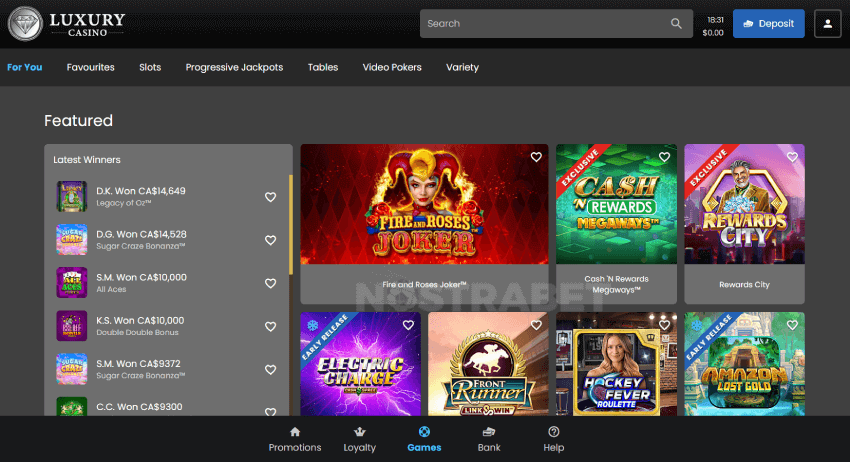
A promotion can interact with account controls in ways that are easy to miss. The headline may refer to a percentage, free spins or a deposit match, while the full terms determine the qualifying deposit, maximum bonus, wagering requirement, expiry and games that count. Published information for the featured operator describes several possible promotional formats, but the applicable offer and currency determine the actual conditions. Readers should rely on the terms displayed for their account rather than a general advertisement.
Pay particular attention to whether wagering applies to the deposit and bonus together, whether only selected games contribute, and whether withdrawing cancels an attached bonus balance. A promotion may also require a qualifying deposit before any associated winnings can be withdrawn. Cashback, VIP rewards and no-deposit offers can have separate conditions and should not be treated as automatically withdrawable cash. If a requirement is ambiguous, ask support for a written explanation before depositing.
Set the spending limit before activating the offer, not after seeing the promotion in the cashier. Never increase a limit merely to meet a deposit threshold, and do not make several deposits because a multi-stage package appears to reward continued activity. A sensible decision rule is simple: if the promotion would encourage spending beyond the pre-set entertainment budget, decline it. The value of a bonus is uncertain, while the deposit and any resulting losses are real financial exposure.
When should self-exclusion replace ordinary limits?
Self-exclusion is the strongest account-level control described in the available material. It is intended for someone who wants gambling access restricted rather than merely moderated. This may be appropriate after repeated attempts to set limits that were changed, ignored or exceeded; after chasing losses; or when gambling is affecting relationships, work, sleep or essential finances. It is not necessary to wait for a crisis before choosing exclusion.
Before submitting a request, read the operator’s stated process and duration. Check whether exclusion covers all products connected to the account, whether marketing communications stop, and whether reopening is prohibited during the selected period. Save confirmation of the request. Do not create another account while excluded, and do not use a different person’s account. The available rules also restrict duplicate registrations, so opening another profile can create separate account and verification problems as well as undermine the intended safeguard.
Self-exclusion cannot remove gambling opportunities everywhere, so practical barriers still matter. Tell someone trustworthy, block gambling advertising and payment access where those options are available, and make a plan for moments when the urge appears. If money is already under pressure, contact a qualified support service rather than trying to gamble out of the problem. Any account restriction, KYC review or payment issue should be handled through the documented support channel; none should be treated as a reason to continue depositing.
Questions about gambling controls
Can a deposit limit prevent all gambling losses?
No. A deposit limit restricts new funds according to the account’s stated settings, but it does not guarantee that losses will be avoided. It may not include money already in the account, other gambling accounts or offline gambling. Treat it as one barrier within a wider plan that includes a fixed entertainment budget and breaks.
Is a cooling-off period the same as self-exclusion?
No. A cooling-off period is generally a temporary pause, while self-exclusion is intended to restrict access for a more substantial, selected period. The exact effects depend on the operator’s terms. Before choosing either option, confirm its duration, cancellation rules, account coverage and whether promotional communications are stopped.
Should a bonus be accepted if the limit is affordable?
Not necessarily. Affordability is only one consideration. Wagering rules, expiry dates, game restrictions, withdrawal conditions and the possibility of chasing losses also matter. Accept a promotion only when its terms are understood and it fits the existing budget without changing limits. Declining it is the safer choice when any condition remains unclear.